

Gorgias Alternatives: Top 11 Competitors for 2026
Insights / Gorgias Alternatives: Top 11 Competitors for 2026

Why businesses are exploring alternatives to Gorgias
While Gorgias has carved out a strong niche as an ecommerce-focused customer support platform, particularly for Shopify merchants, many businesses find themselves searching for alternatives as their needs evolve. The platform’s ticket-based pricing model can become unpredictable and expensive as your support volume grows, with costs often doubling when you factor in automation fees, Voice add-ons, and SMS channels.
Common pain points include limited scalability for larger enterprises, a steep learning curve despite the intuitive interface, and slow customer support response times when teams need help most. Many users report that Gorgias’s reporting features lack customization depth, making it difficult to extract actionable insights. Additionally, while the Shopify integration is robust, the platform’s functionality for non-ecommerce businesses or those using multiple marketplaces remains limited without third-party workarounds.
As customer expectations rise and support operations become more complex, businesses need platforms that offer predictable pricing, advanced Ai capabilities, deeper analytics, and the flexibility to scale without breaking the bank. Whether you’re experiencing feature limitations, seeking better automation, or simply need more comprehensive omnichannel support, exploring Gorgias alternatives can help you find a solution better suited to your current and future needs.
Key Factors to Consider When Choosing a Gorgias Alternative
Ease of Use
Your customer support platform should empower your team, not slow them down. Look for intuitive interfaces that reduce training time and allow agents to handle tickets efficiently from day one. Consider how quickly new team members can get up to speed, whether the dashboard is cluttered or streamlined, and if the platform offers helpful onboarding resources. The best solutions balance powerful functionality with a user-friendly design that doesn’t require constant reference to documentation.
Integration Capabilities
Seamless integration with your existing tech stack is non-negotiable. Evaluate native integrations with your ecommerce platform (Shopify, BigCommerce, Magento, WooCommerce), CRM systems (Salesforce, HubSpot, Zoho), and social media channels (Facebook, Instagram, WhatsApp). Beyond ecommerce, consider integrations with your email marketing tools, analytics platforms, and payment processors. API access and Zapier connectivity can fill gaps, but native integrations typically deliver better performance, deeper data sync, and more reliable functionality.
Pricing Models and Scalability
Understanding the true cost of ownership is critical. Look beyond the base subscription price to understand what’s included at each tier. Consider whether pricing is agent-based, ticket-based, or conversation-based, and how overages are handled. Factor in costs for additional channels, automation features, and premium integrations. The ideal platform should offer transparent pricing that scales predictably with your business, without surprise fees or sudden cost jumps as you grow.
Customer Support and Community
When issues arise, responsive customer support can make the difference between a minor hiccup and lost revenue. Evaluate the availability of support channels (email, chat, phone), response time guarantees, and whether dedicated account managers are included. Look for platforms with active user communities, comprehensive knowledge bases, and regular training resources. The quality of onboarding support is particularly important—poor initial setup can hamper your team’s success for months.
Automation and Ai Features
Modern customer support demands intelligent automation that goes beyond simple keyword matching. Assess whether the platform offers true Ai-powered responses, sentiment analysis, smart ticket routing, and the ability to learn from interactions. Strong automation should handle routine queries (order tracking, returns, FAQs) automatically while seamlessly escalating complex issues to human agents. Look for features like chatbot builders, automated workflows, proactive messaging, and AI-assisted reply suggestions that genuinely reduce agent workload and improve response times.
| Platform | Rating | Starting Price | Key Differentiator | Best For |
|---|---|---|---|---|
| Worktual | 4.8/5 | Custom | Generative AI, 30+ languages | Multilingual eCommerce, deep CRM |
| Tidio | 4.7/5 | $29/mo | AI chatbot | Small shops, quick setup |
| Zendesk | 4.3/5 | $19/agent/mo | Enterprise omnichannel | Large ops, advanced analytics |
| Freshdesk | 4.4/5 | $15/agent/mo | Built-in CRM automation | SMBs, Freshworks users |
| Intercom | 4.4/5 | $39/seat/mo | Conversational AI engagement | SaaS, product-led growth |
| LiveAgent | 4.5/5 | $15/agent/mo | Built-in call center | Phone-heavy teams |
| Help Scout | 4.4/5 | $20/agent/mo | Shared inbox simplicity | Small teams, collaboration |
| HubSpot | 4.4/5 | $15/seat/mo | CRM-aligned free tier | HubSpot ecosystem users |
| Kustomer | 4.5/5 | Custom | Customer-centric timelines | Enterprise personalization |
| Reamaze | 4.5/5 | $29/agent/mo | SMS chatbots for eCommerce | Mid-size stores, predictable costs |
| Gladly | 4.6/5 | Custom ($150/agent/mo) | Continuous conversation threads | Luxury brands, high-value clients |
Top 11 Gorgias Alternatives and Competitors for 2026
1. Worktual
Rating: 4.8/5 | Starting Price: Custom pricing | Key Differentiator: Generative Ai with real-time multilingual support
Overview
Worktual is an Ai-first customer engagement platform that goes beyond basic helpdesk functionality. Built for businesses requiring sophisticated conversational Ai, it combines generative reasoning technology with omnichannel capabilities to deliver context-aware, intelligent customer interactions that feel genuinely human.
Key Features
- Advanced generative AI with contextual understanding and tone adaptation across 30+ languages
- True omnichannel support including WhatsApp, Facebook Messenger, email, SMS, and website chat
- Deep CRM integrations with HubSpot, Salesforce, Zoho, and sophisticated event-driven automation workflows
Limitations
- More involved setup process compared to plug-and-play alternatives
- Enterprise-grade pricing may be higher than basic helpdesk solutions
Best For
- Ecommerce businesses serving international markets requiring multilingual support
- Growing companies needing sophisticated AI automation beyond basic chatbots
- Organizations requiring deep CRM integration and complex workflow automation
2. Tidio
Rating: 4.7/5 | Starting Price: Free (paid plans from $29/month) | Key Differentiator: Free plan with AI chatbot and live chat
Overview
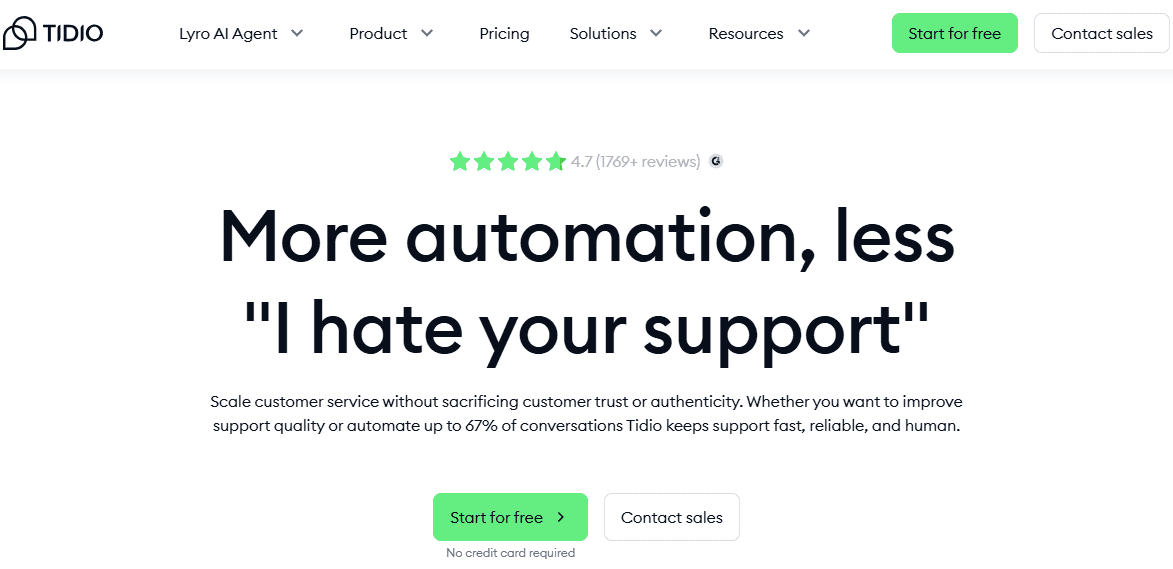
Tidio is a user-friendly live chat and chatbot platform designed for small to medium ecommerce shops. It offers a generous free plan that includes basic live chat and email integration, making it an accessible entry point for businesses just starting with customer support automation.
Key Features
- Lyro AI chatbot with natural language processing for automated customer interactions
- Visual workflow builder (Flows) for creating engagement sequences without coding
- Conversation-based pricing that’s typically more affordable than ticket-based models
Limitations
- Limited to email and live chat channels (no native phone or extensive social media support)
- Fewer advanced features compared to enterprise-focused platforms
Best For
- Small ecommerce stores with tight budgets needing quick, affordable setup
- Businesses prioritizing chat-first customer engagement and lead generation
- Teams wanting to test customer support software without upfront investment
3. Zendesk
Rating: 4.3/5 | Starting Price: $19/agent/month (Suite starts at $55/agent/month) | Key Differentiator: Enterprise-grade omnichannel with AI copilot
Overview
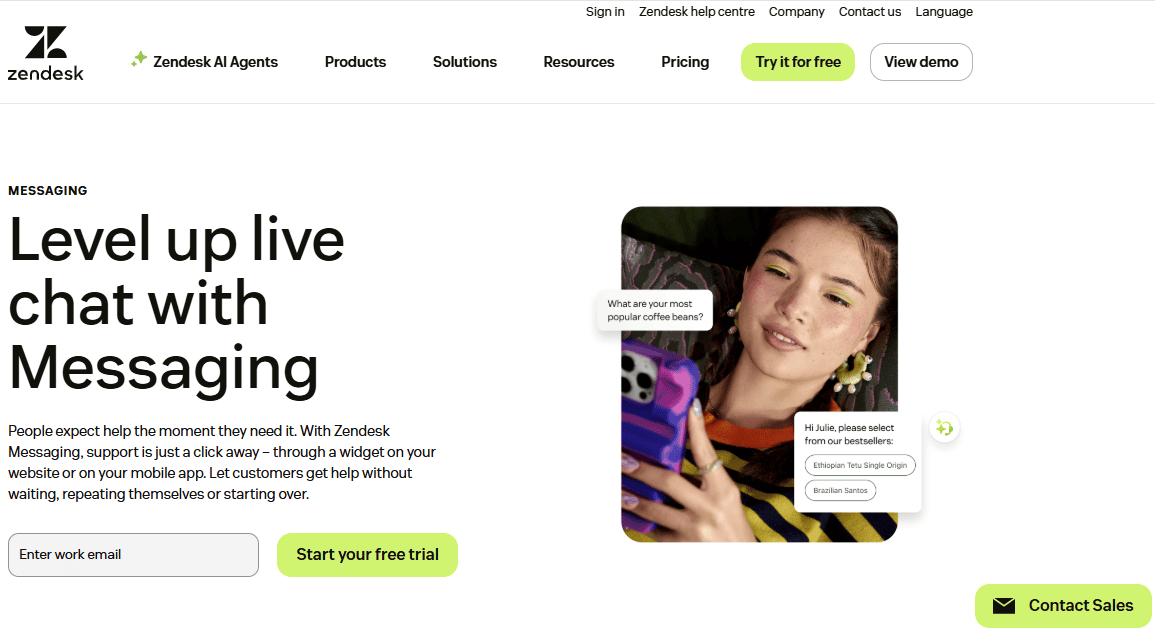
Zendesk is the heavyweight champion of customer service platforms, offering comprehensive features that scale from small businesses to massive enterprise operations. Its robust reporting, extensive customization options, and mature ecosystem make it the go-to choice for organizations with complex support requirements.
Key Features
- Complete omnichannel support across email, chat, phone, social, and self-service
- Advanced AI features including Answer Bot and predictive analytics
- Extensive marketplace with 1,000+ integrations and powerful API for custom development
Limitations
- Steep learning curve and complex setup requiring technical resources
- Pricing can escalate quickly with add-ons and premium features
Best For
- Large enterprises requiring robust, customizable support infrastructure
- Organizations needing detailed analytics and advanced reporting capabilities
- Businesses with dedicated IT resources to maximize platform capabilities
4. Freshdesk
Rating: 4.4/5 | Starting Price: $15/agent/month | Key Differentiator: Affordable with built-in CRM and marketing automation
Overview
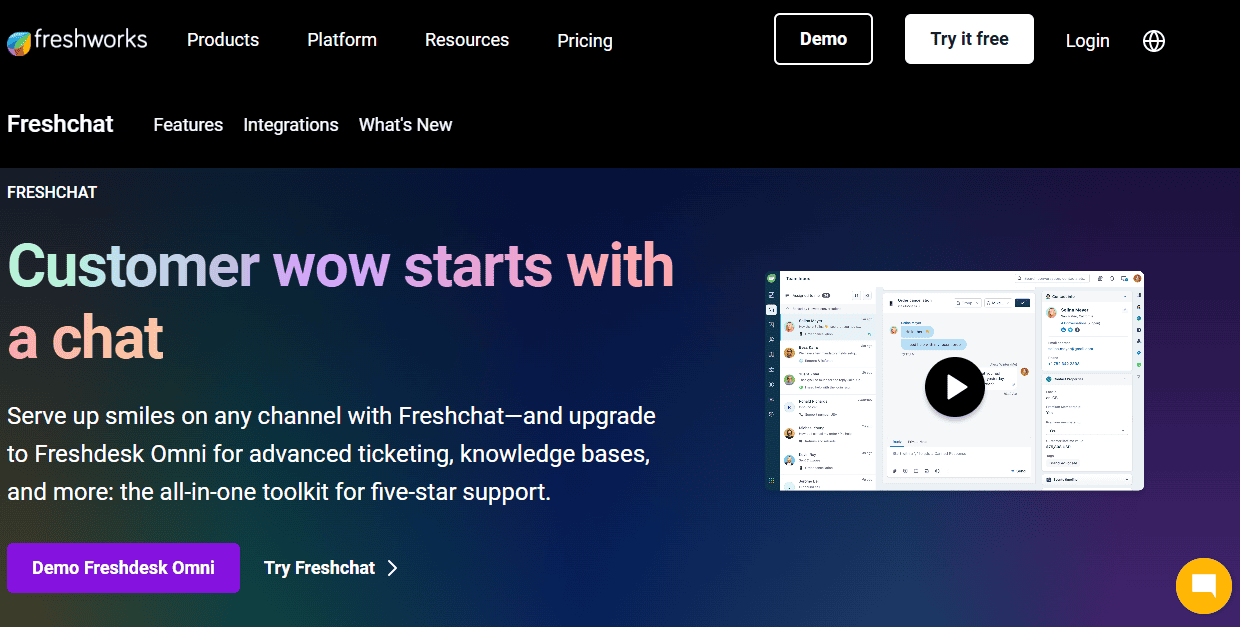
Freshdesk, part of the Freshworks suite, balances affordability with comprehensive features. It offers intelligent ticketing, multi-channel support, and AI-powered automation at price points accessible to small and medium businesses, making it a strong value proposition for growing teams.
Key Features
- AI-powered ticketing with Freddy AI for smart routing and automation
- Gamification features to motivate support teams and boost productivity
- Seamless integration with Freshworks suite for unified sales, marketing, and support
Limitations
- Advanced features require higher-tier plans or add-ons
- Some users report occasional performance issues and bugs
Best For
- Small to medium businesses seeking affordable, feature-rich helpdesk solutions
- Teams already using or planning to adopt the Freshworks ecosystem
- Organizations wanting to combine support with marketing automation tools
5. Intercom (Fin)
Rating: 4.4/5 | Starting Price: $39/seat/month | Key Differentiator: Conversational AI with customer engagement tools
Overview
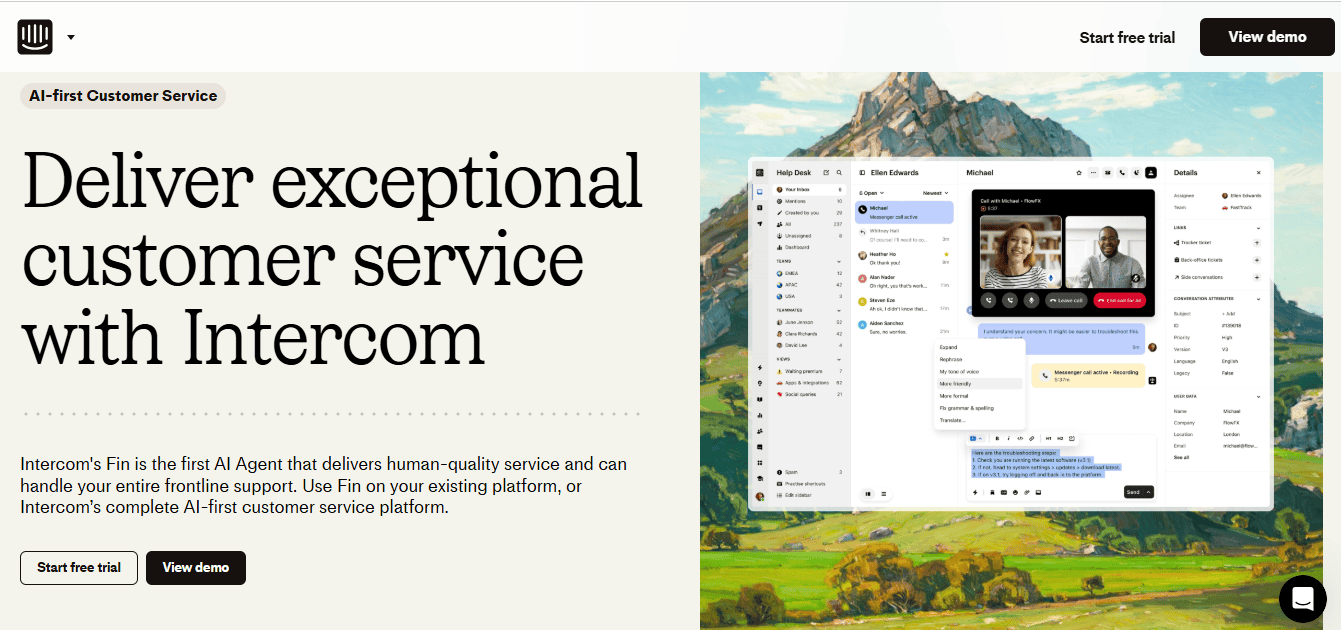
Intercom positions itself as a complete customer communication platform rather than just a helpdesk. With its Fin AI chatbot, product tours, targeted messaging, and sophisticated segmentation, it excels at combining support with growth and engagement strategies, making it ideal for SaaS companies.
Key Features
- Fin AI chatbot providing instant, accurate responses based on your knowledge base
- In-app messaging and product tours for proactive customer engagement
- Unified inbox combining support, sales, and marketing conversations
Limitations
- Pricing becomes expensive as user base and conversation volume grow
- Feature-rich platform can feel overwhelming for small teams
Best For
- SaaS companies requiring in-app support and user onboarding
- Product-led growth organizations focusing on engagement throughout customer lifecycle
- Teams wanting to unify support, marketing, and sales communication
6. LiveAgent
Rating: 4.5/5 | Starting Price: $15/agent/month | Key Differentiator: Built-in call center with unlimited history
Overview
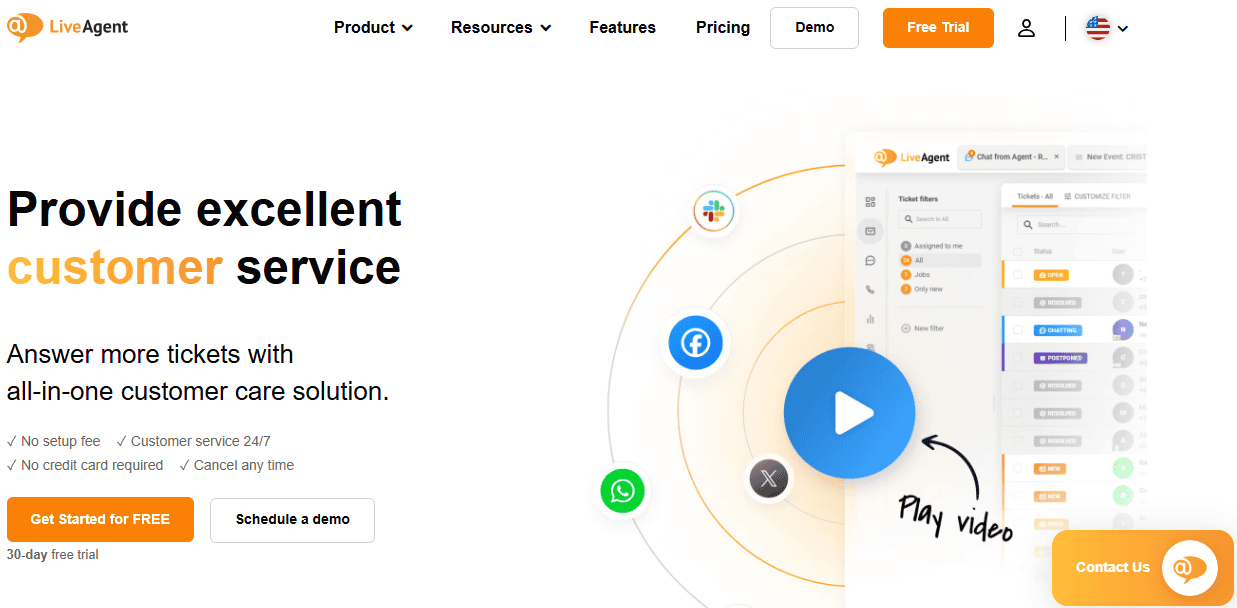
LiveAgent is a comprehensive helpdesk solution that stands out for including call center capabilities even in lower-tier plans. With over 130 ticketing features and 200+ integrations, it offers exceptional value for businesses requiring phone support alongside digital channels.
Key Features
- Built-in call center with IVR, call recording, and unlimited call history
- Unlimited ticket history even on basic plans for complete customer context
- Extensive integration options including social media, ecommerce, and CRM platforms
Limitations
- Mobile app lacks features and functionality compared to desktop version
- Social media channel integrations require additional fees
Best For
- Businesses requiring robust phone support capabilities within their helpdesk
- Teams managing high ticket volumes needing unlimited history storage
- Organizations seeking comprehensive features at competitive pricing
7. Help Scout
Rating: 4.4/5 | Starting Price: $20/agent/month | Key Differentiator: Shared inbox with collision detection
Overview
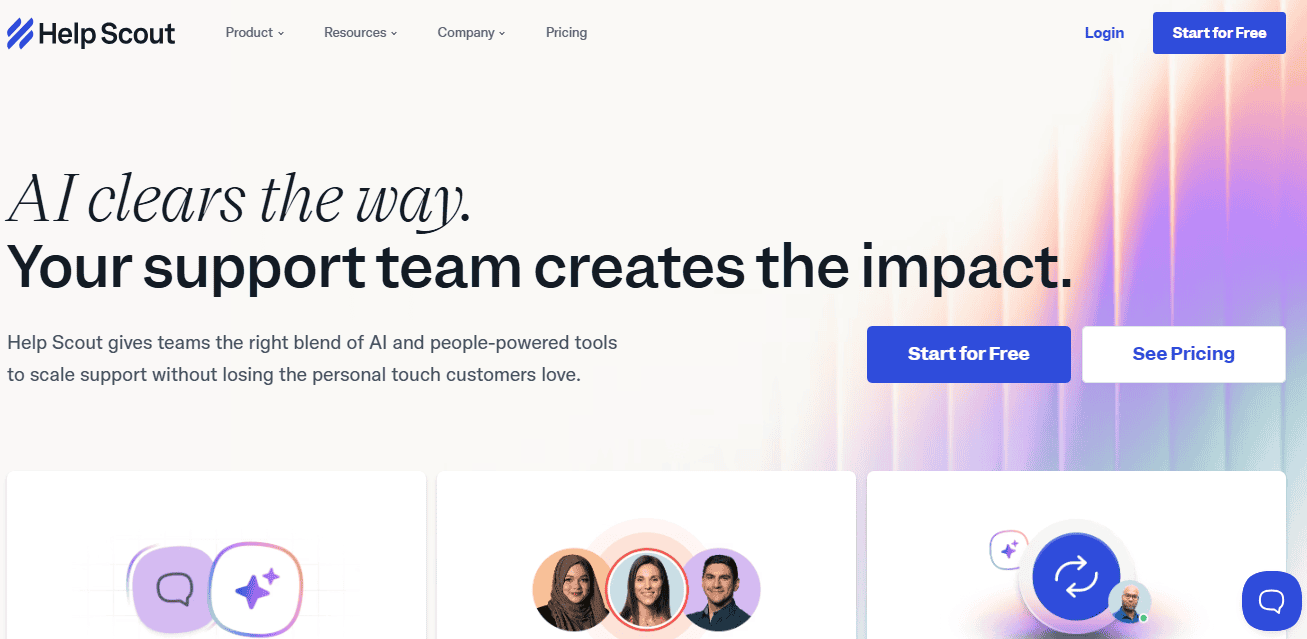
Help Scout emphasizes simplicity and collaboration with its email-like interface that feels immediately familiar to teams. It’s designed for businesses that want powerful customer support tools without the complexity of enterprise platforms, making it perfect for small to medium teams prioritizing ease of use.
Key Features
- Shared inbox with collision detection preventing duplicate responses
- Beacon widget providing in-app messaging and self-service knowledge base
- Native Slack integration for seamless team collaboration on tickets
Limitations
- Limited phone support capabilities (third-party integration required)
- Fewer advanced automation features compared to larger platforms
Best For
- Small to medium teams wanting email-style support management
- Businesses prioritizing team collaboration and ease of use
- Organizations seeking straightforward setup without extensive training
8. HubSpot Service Hub
Rating: 4.4/5 | Starting Price: Free (paid plans from $15/seat/month) | Key Differentiator: Free CRM-aligned ticketing and support
Overview
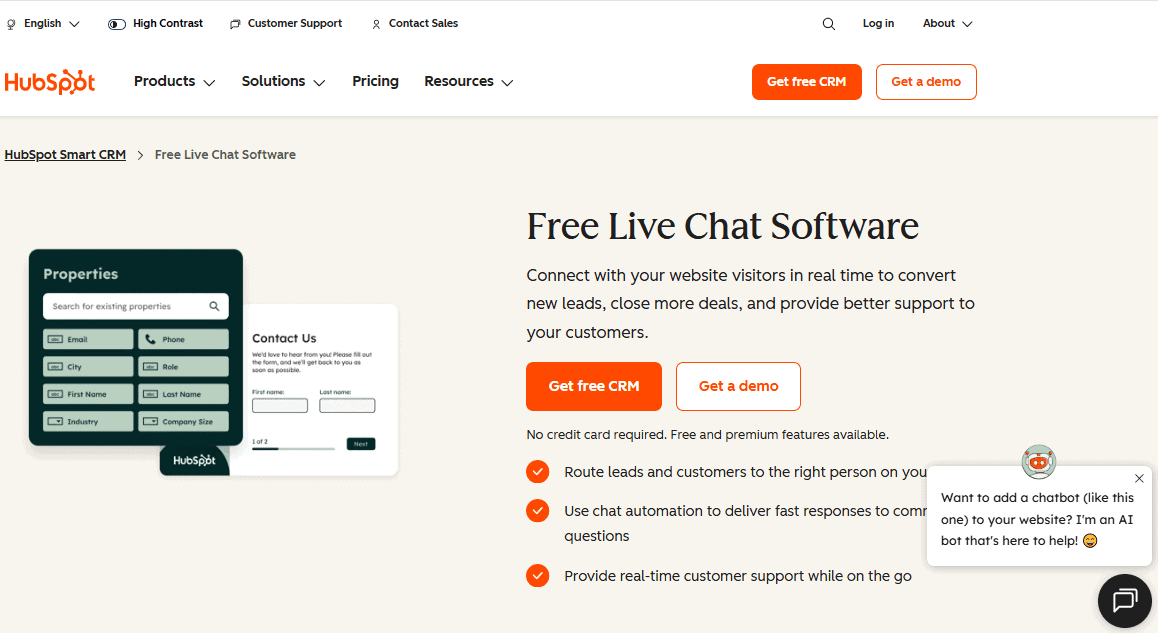
HubSpot Service Hub integrates seamlessly with HubSpot’s CRM, marketing, and sales tools, creating a unified platform for the entire customer journey. Its generous free tier and tight integration with HubSpot’s ecosystem make it ideal for businesses already invested in or considering HubSpot’s suite of tools.
Key Features
- Free basic support features with automatic contact record creation
- Conversation routing based on contact properties and lifecycle stage
- Unified customer timeline showing all interactions across marketing, sales, and support
Limitations
- Advanced features require paid HubSpot subscriptions across multiple hubs
- Less feature-rich as standalone solution compared to dedicated helpdesks
Best For
- Companies already using HubSpot CRM, Marketing, or Sales Hub
- Businesses wanting tight alignment between sales, marketing, and support teams
- Startups seeking free or low-cost support tools with room to scale
9. Kustomer
Rating: 4.5/5 | Starting Price: Custom pricing | Key Differentiator: Customer-centric CRM with unified timelines
Overview
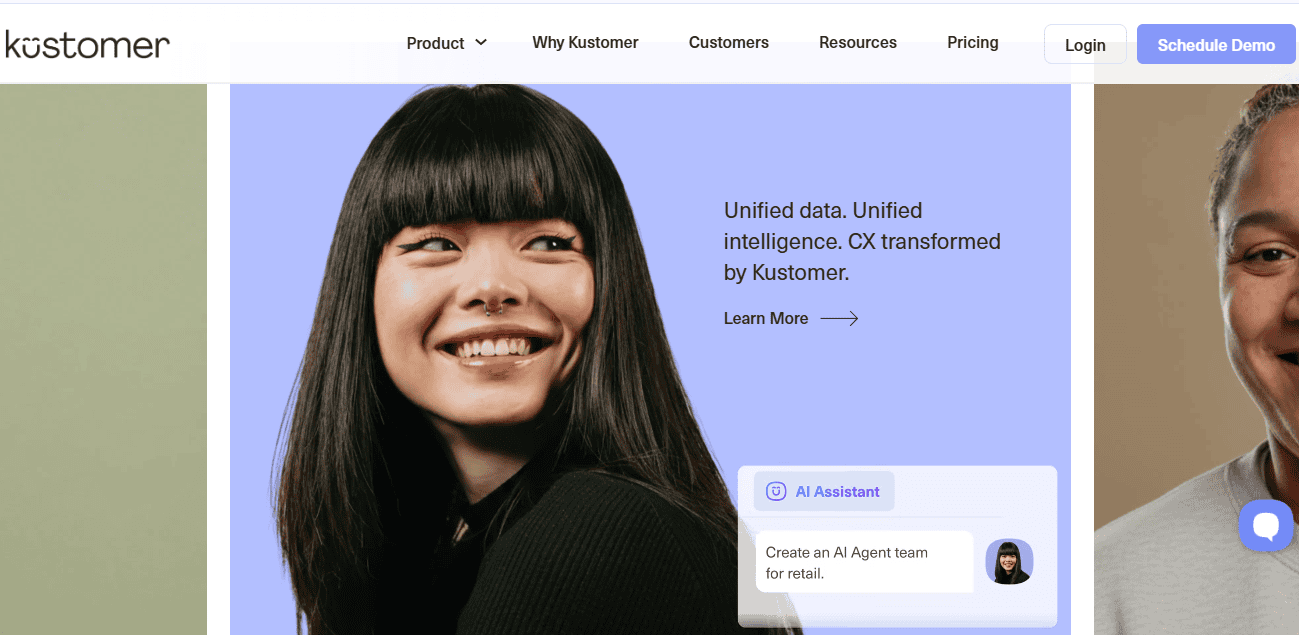
Kustomer takes a unique approach by organizing conversations around customers rather than tickets. This CRM-first philosophy provides agents with complete customer context and history in a single view, enabling more personalized, efficient support that feels like a continuation of one long relationship.
Key Features
- Customer-centric interface with complete interaction history across all channels
- Intelligent routing based on customer attributes, sentiment, and agent capacity
- Native CRM capabilities eliminating need for separate customer database
Limitations
- Custom pricing can be expensive for smaller businesses
- Best suited for enterprises; may be overkill for basic support needs
Best For
- Enterprise ecommerce brands prioritizing personalized customer experiences
- Organizations wanting CRM functionality built into their helpdesk
- Businesses requiring sophisticated workflow automation and custom integrations
10. Reamaze
Rating: 4.5/5 | Starting Price: $29/agent/month | Key Differentiator: Multichannel chatbots with SMS support
Overview
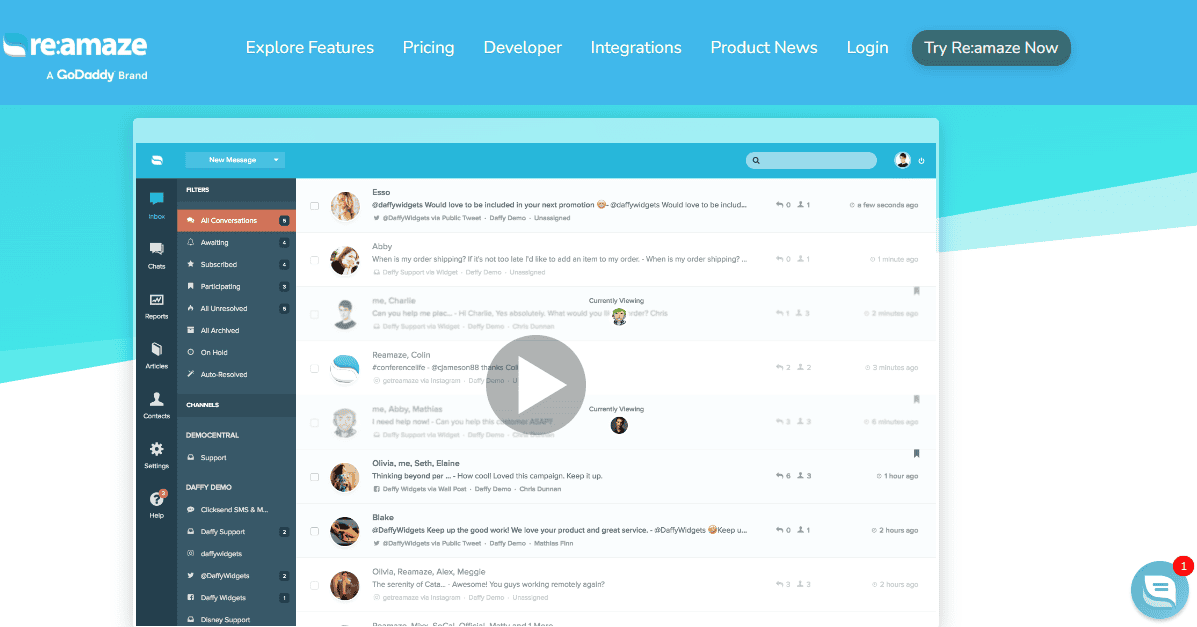
Reamaze positions itself as a scalable customer service platform specifically designed for ecommerce businesses. With strong chatbot capabilities, SMS support, and straightforward pricing, it offers a balanced alternative to Gorgias without the unpredictable ticket-based billing.
Key Features
- Pre-built chatbots (FAQ Bot, Order Bot) automating routine ecommerce queries
- Unified inbox for email, chat, social media, SMS, and VOIP
- Real-time customer feeds enabling proactive outreach based on browsing behavior
Limitations
- Fewer advanced AI capabilities compared to newer platforms
- Limited customization options for larger enterprise needs
Best For
- Mid-sized ecommerce businesses seeking Gorgias-like features at predictable pricing
- Stores requiring robust SMS support capabilities
- Teams wanting strong automation without complex setup
11. Gladly
Rating: 4.6/5 | Starting Price: Custom pricing (minimum $150/agent/month) | Key Differentiator: Conversation-driven support with customer timelines
Overview
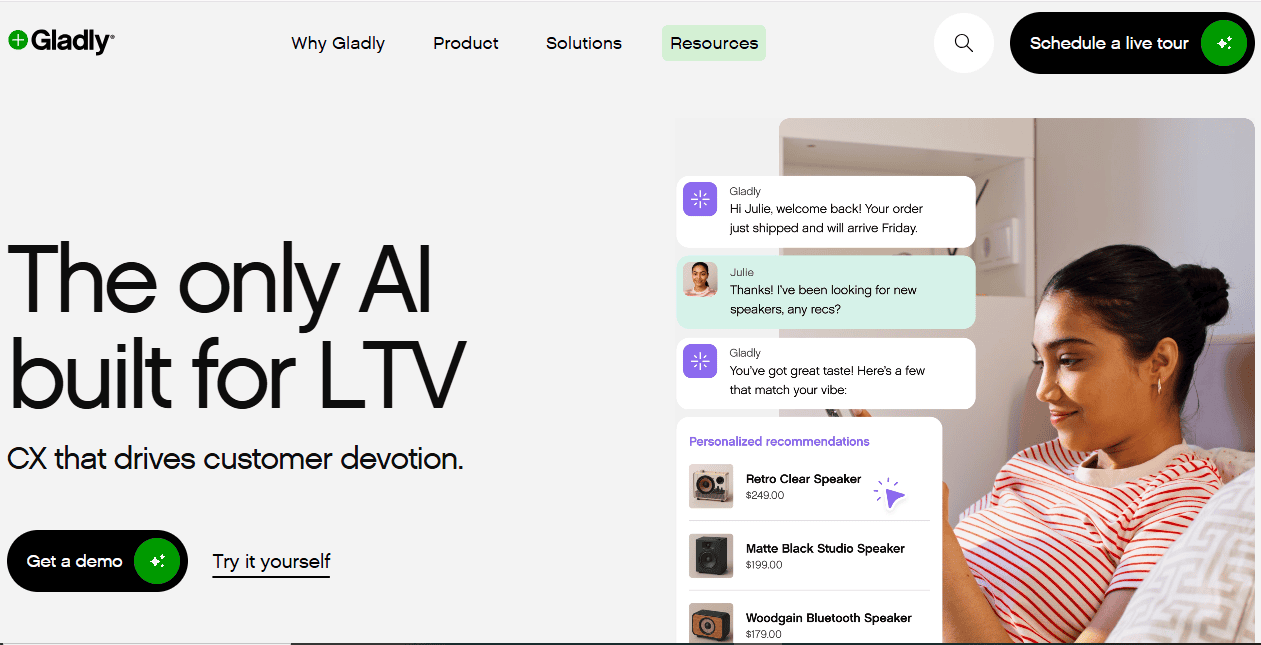
Gladly revolutionizes customer support by focusing on people, not tickets. Each customer has a single, continuous conversation thread across all channels and interactions, providing agents with complete context and enabling truly personalized service that large ecommerce brands demand.
Key Features
- Single conversation thread per customer across all channels and time
- Native payment acceptance allowing agents to process orders directly in conversations
- Deep ecommerce integrations with Shopify for order management and customer insights
Limitations
- Premium pricing with $18,000 annual minimum commitment
- Limited automation compared to AI-focused platforms
Best For
- Large ecommerce brands prioritizing white-glove customer service
- Luxury retailers wanting personalized, relationship-driven support
- Organizations with high lifetime value customers justifying premium investment
How to choose the right Gorgias alternative
Evaluate your specific business needs
Start by honestly assessing your current pain points with Gorgias or your existing solution. Are you struggling with unpredictable costs? Do you need better AI automation? Is your support volume overwhelming your team? Create a prioritized list of must-have features versus nice-to-haves. Consider your industry—pure ecommerce businesses have different needs than SaaS companies or service businesses.
Consider your scale and growth plans
Choose a platform that fits not just where you are today, but where you’ll be in 12-24 months. If you’re processing 500 tickets monthly but expect to triple that next year, ensure your chosen platform can scale without forcing a migration. Evaluate whether pricing models (agent-based, ticket-based, conversation-based) will remain sustainable as you grow. Factor in whether you’ll need additional channels, more automation, or enterprise features as your business matures.
Calculate total cost of ownership
Look beyond the advertised starting price to understand true costs. Add up base subscription fees, costs per additional agent or ticket volume, premium feature add-ons, integration or API access fees, and any implementation or training costs. Request detailed pricing scenarios from vendors showing costs at different scale points. Don’t forget to factor in the cost of your team’s time—a cheaper platform that requires constant workarounds may cost more in lost productivity than a more expensive but efficient solution.
Try before you buy
Never commit to a customer support platform without hands-on experience. Take advantage of free trials or demos—most platforms offer 14-30 day trials. During your trial period, test the platform with real customer interactions, not just dummy data. Involve your actual support team in testing; their feedback on usability and workflow is invaluable. Test critical integrations with your ecommerce platform, CRM, and other essential tools to ensure they work as advertised. Create a scoring rubric comparing platforms across your priority criteria.
Assess implementation and support
Understand what’s involved in getting the platform up and running. Ask about onboarding support—is it DIY, or do you get dedicated assistance? Clarify data migration options if you’re switching from another platform. Evaluate the quality and availability of customer support—check review sites for real user experiences. Look for active user communities, comprehensive documentation, and regular training resources that will support your team long-term.
Think beyond features
While features matter, don’t overlook the importance of user experience. A platform with every feature imaginable won’t help if your team finds it frustrating to use daily. Consider the platform’s trajectory—is the company innovating and releasing meaningful updates? Read recent user reviews to understand how the platform performs in real-world scenarios. Trust your instincts during demos—if something feels clunky or confusing, it probably will remain that way.
The right Gorgias alternative isn’t necessarily the most expensive or feature-packed option. It’s the platform that aligns with your specific needs, grows with your business, integrates seamlessly with your existing tools, and empowers your team to deliver exceptional customer experiences without friction. Take the time to evaluate thoroughly—choosing the right customer support platform is an investment that pays dividends in customer satisfaction, team efficiency, and ultimately, business growth.
FAQs
1. What are the best alternatives to Gorgias?
Best alternatives typically include helpdesk and customer support platforms that offer ticketing, automation, omnichannel support, and AI capabilities.
2. Why should businesses consider alternatives to Gorgias?
Businesses might look for alternatives due to pricing, advanced AI automation needs, deeper CRM integrations, multilingual support, more flexible workflows, or better scalability.
3. Do alternatives to Gorgias support AI automation?
Yes — many modern helpdesk platforms include AI-driven features such as automated routing, smart replies, sentiment analysis, and conversational bots that streamline support tasks.
4. Can I migrate my data from Gorgias to another platform?
Most platforms allow you to migrate tickets, contacts, and histories using CSV exports or migration tools. Specific migration steps depend on the new platform’s APIs and import features.
5. Do Gorgias alternatives support omnichannel messaging?
Yes — leading alternatives support email, in-app chat, social messaging (WhatsApp, Facebook), and voice automation — providing unified customer experiences.

Related Posts

How to choose the best conversational Ai tool 2026: a strategic approach to platform selection
The decision to implement a conversational AI chatbot represents more than a simple technology upgrade; it fundamentally reshapes how businesses interact with customers. Yet the proliferation of options in the market has created a paradox: whilst businesses have never had more choice in conversational AI platform for business solutions, the complexity of selecting the right platform has never been greater.

What is an Ai voice bot and what makes worktual Ai voice bot different
In today’s fast-paced digital era, customers expect quick, human-like, and accurate responses across any channel, without repeating issues or waiting through endless IVR menus.This is where AI voice bots have emerged as a game changer.
Best Intercom Alternatives for 2026: Top Tools to Improve Customer Support
Assume your business is a growing city. You lay small roads and basic infrastructure to manage the flow of traffic. When you prosper, you attract more ]people, but as the city grows, roads become crowded.
Now, traffic jams slow progress, and what worked perfectly doesn’t anymore. Similarly, many businesses face such issues as they scale while using Intercom. While Intercom has come a long way from being a simple messaging tool to an AI-powered customer service platform, it’s still built for the city with smaller roads.


