

System of Record vs System of Intelligence: The Real Difference Between AI-Native and Traditional CRM
Insights / System of Record vs System of Intelligence: The Real Difference Between AI-Native and Traditional CRM



Related Posts

Fragmented AI Investment Is a Valuation Problem, Not Just a Cost Problem
Insurance organizations operate in a complex, regulation-driven, margin-sensitive environment where growth depends on efficient onboarding, strong retention, and effective cross-sell across product lines. AI in insurance is central to this shift, as customers expect seamless digital onboarding journeys, real-time responses, and personalized communication across channels. Whether purchasing a policy, renewing coverage, or managing claims, expectations are shaped by digital-first experiences.

AI-Native Customer Experience Architecture: From Data to Autonomous Action
Insurance organizations operate in a complex, regulation-driven, margin-sensitive environment where growth depends on efficient onboarding, strong retention, and effective cross-sell across product lines. AI in insurance is central to this shift, as customers expect seamless digital onboarding journeys, real-time responses, and personalized communication across channels. Whether purchasing a policy, renewing coverage, or managing claims, expectations are shaped by digital-first experiences.
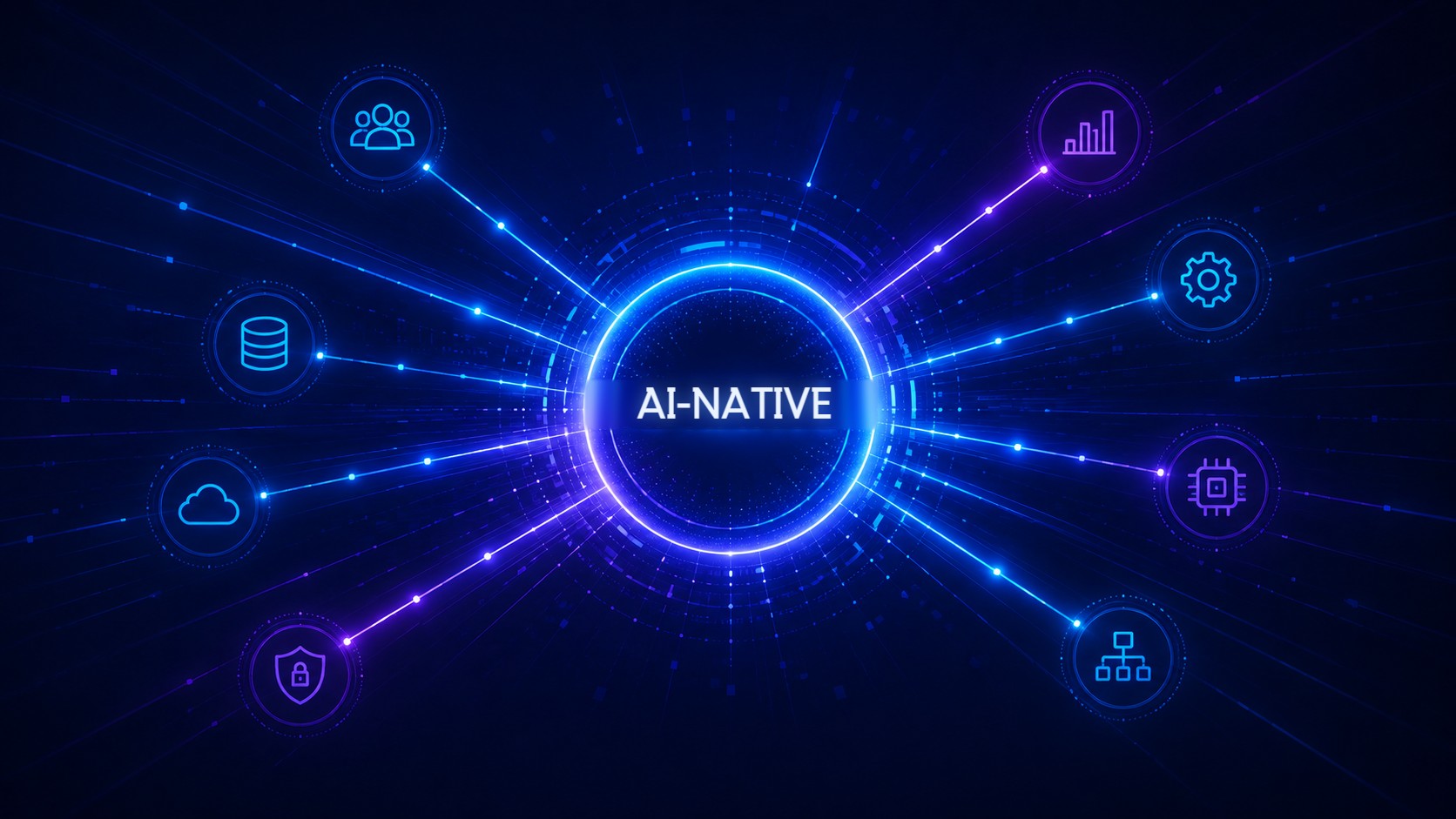
AI-Native vs AI-Powered SaaS: What Is the Difference?
Insurance organizations operate in a complex, regulation-driven, margin-sensitive environment where growth depends on efficient onboarding, strong retention, and effective cross-sell across product lines. AI in insurance is central to this shift, as customers expect seamless digital onboarding journeys, real-time responses, and personalized communication across channels. Whether purchasing a policy, renewing coverage, or managing claims, expectations are shaped by digital-first experiences.


